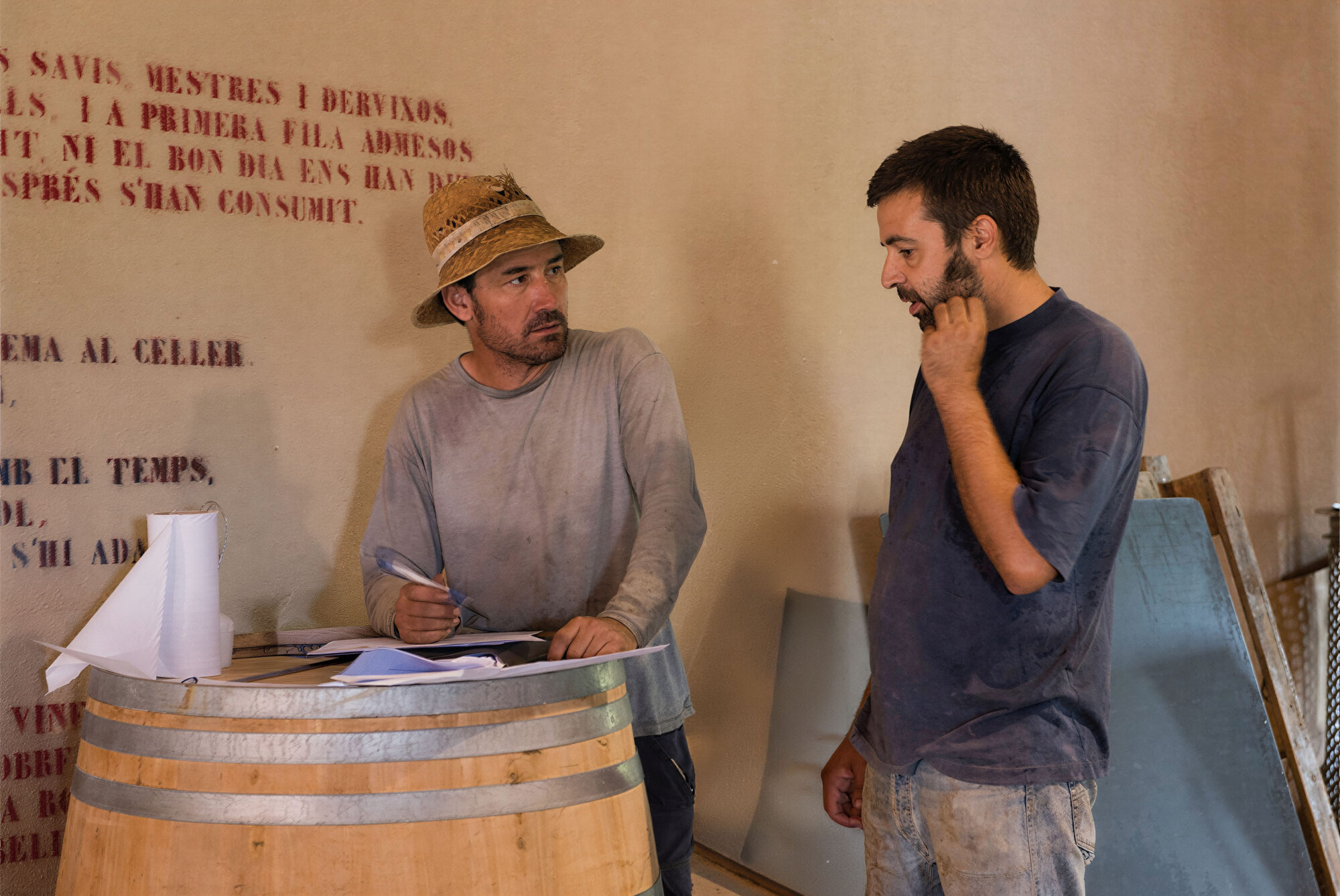
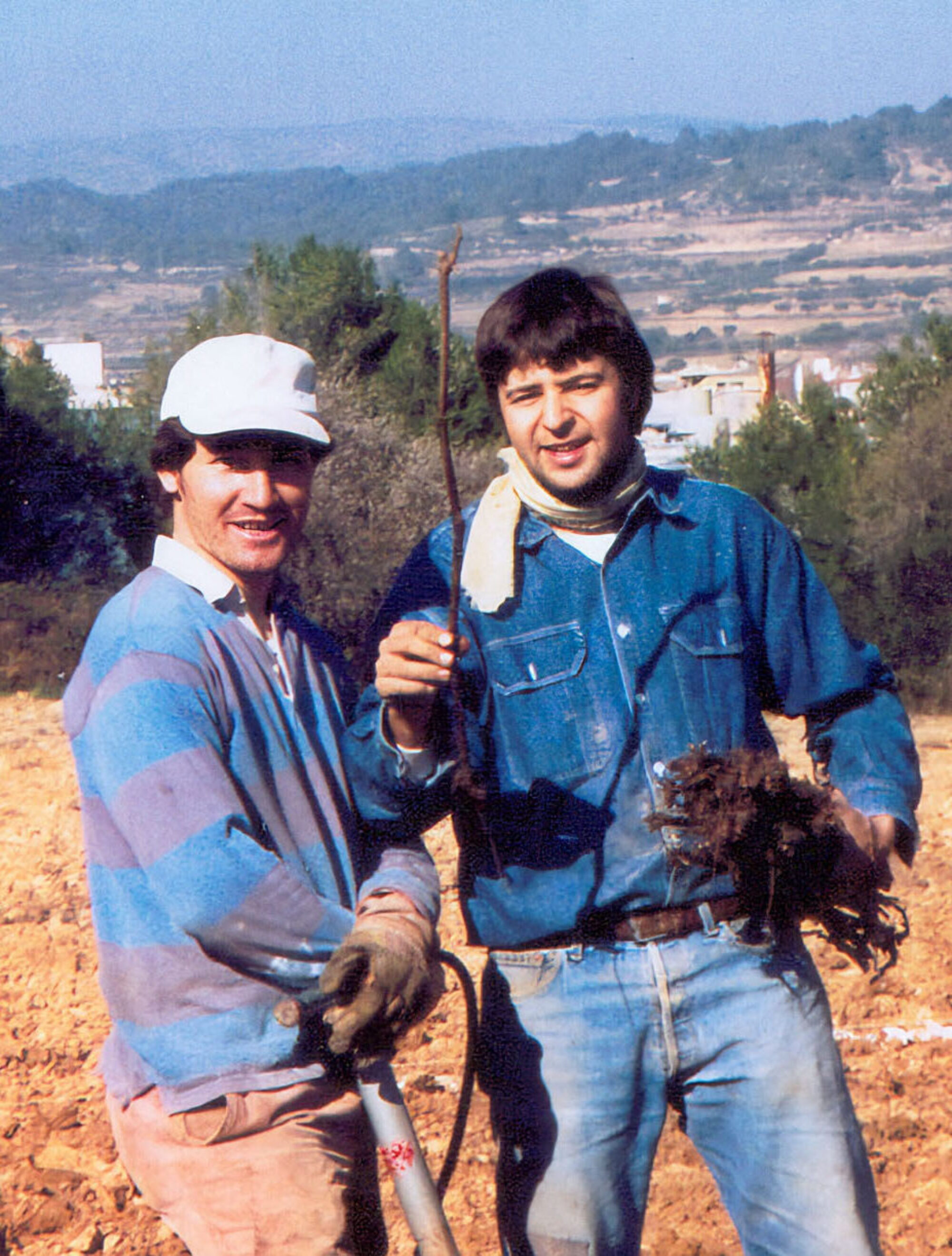
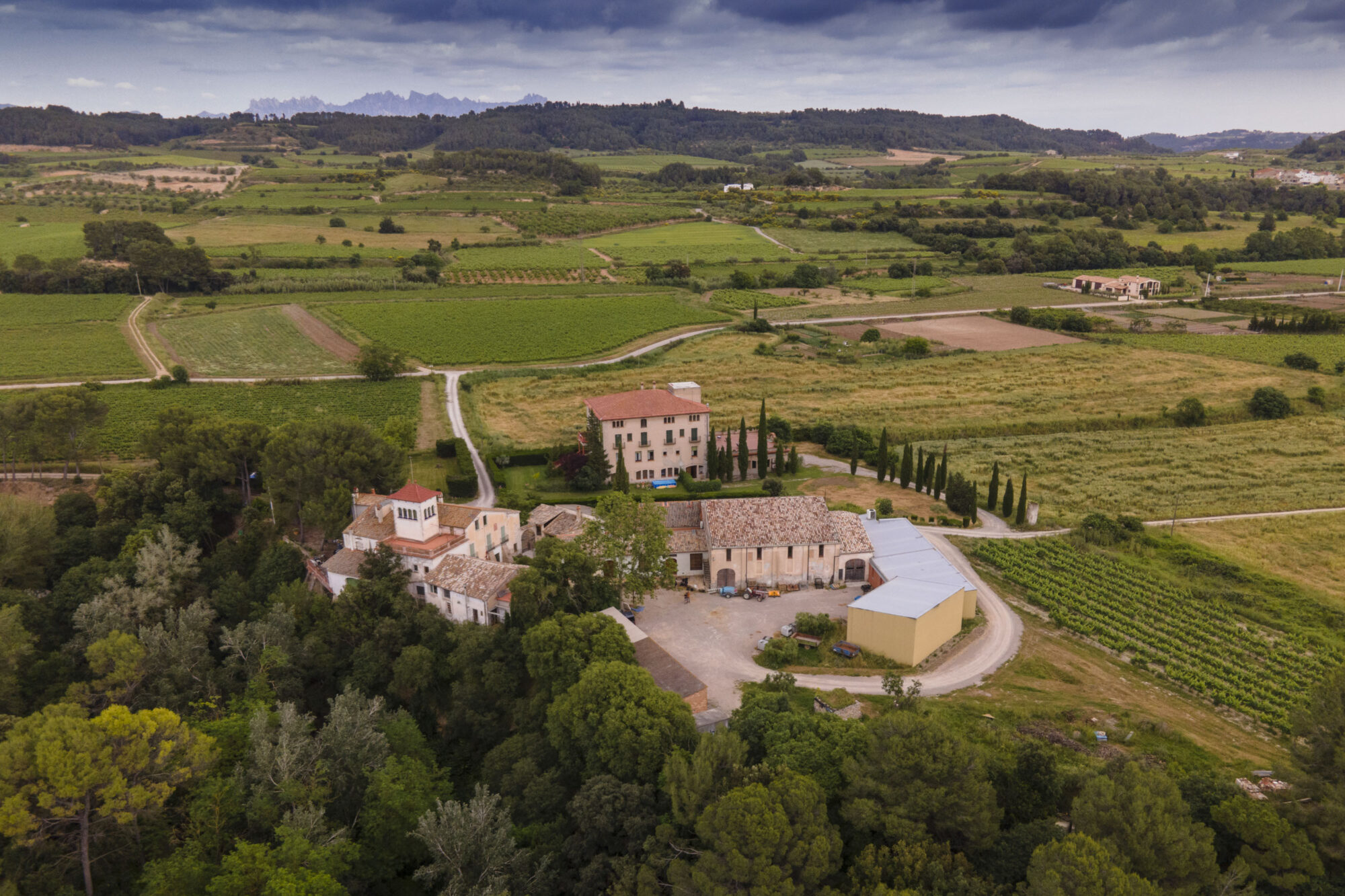
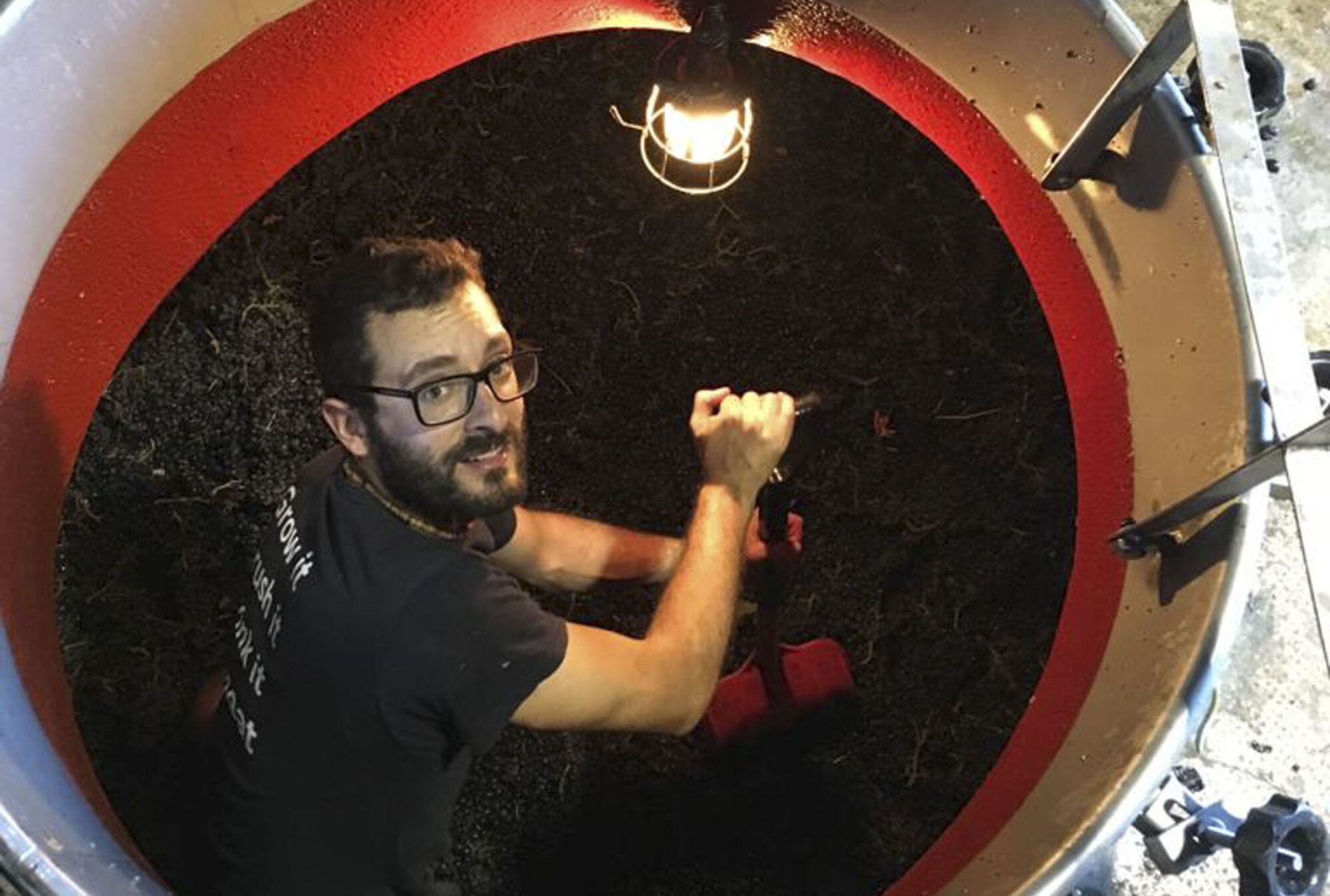
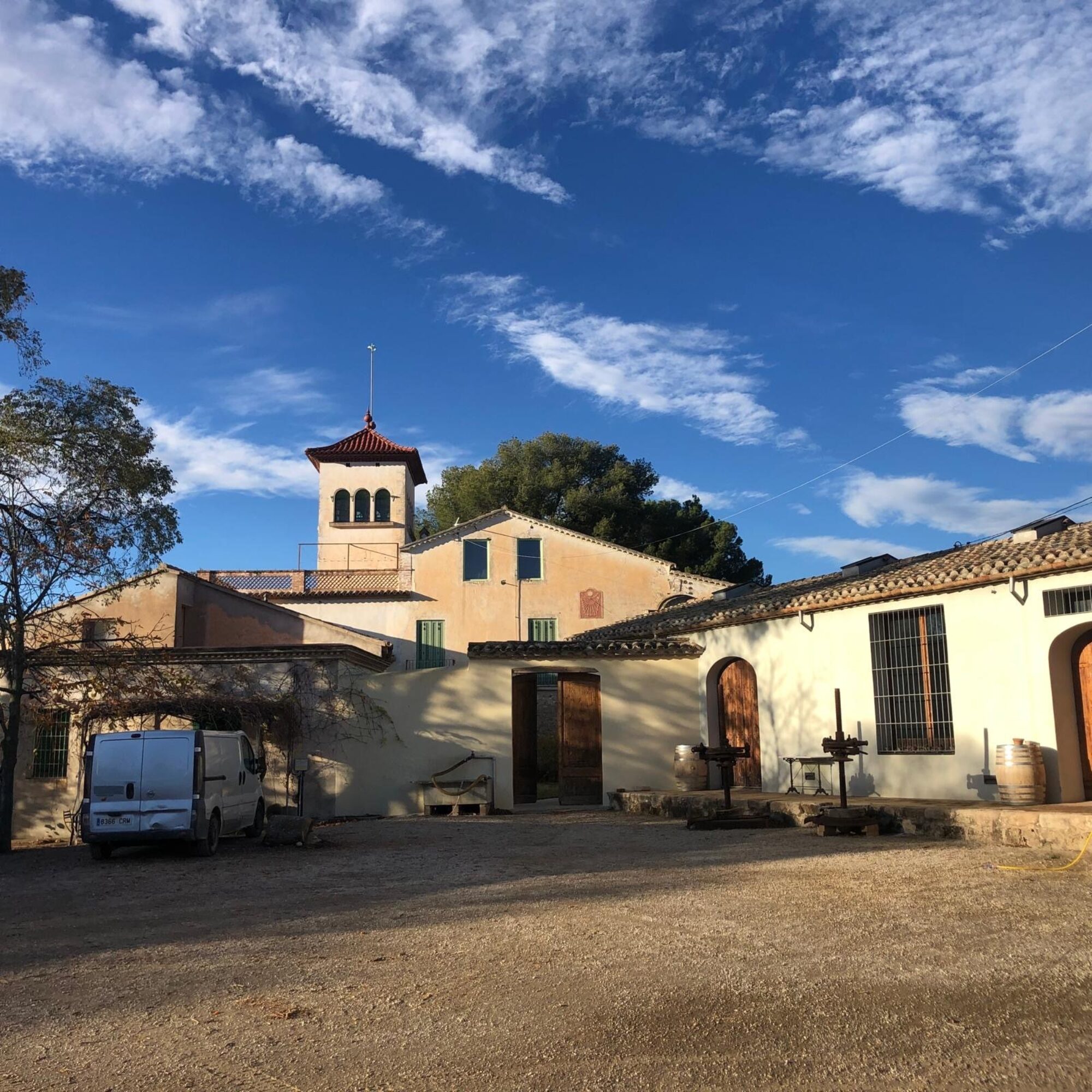
Born in St. Sadurní d'Anoia, Ramon Parera and Jordi Arnan, oenologist and agronomist respectively, started the PARDAS project in 1996 with the idea of making the best possible wines at the Can Comas estate. In doing so, we became winegrowers-producers. The Can Comas estate is, therefore, our cultural landscape and also the place where we live.
PHILOSOPHY
DWELLERS
OF A LANDSCAPE
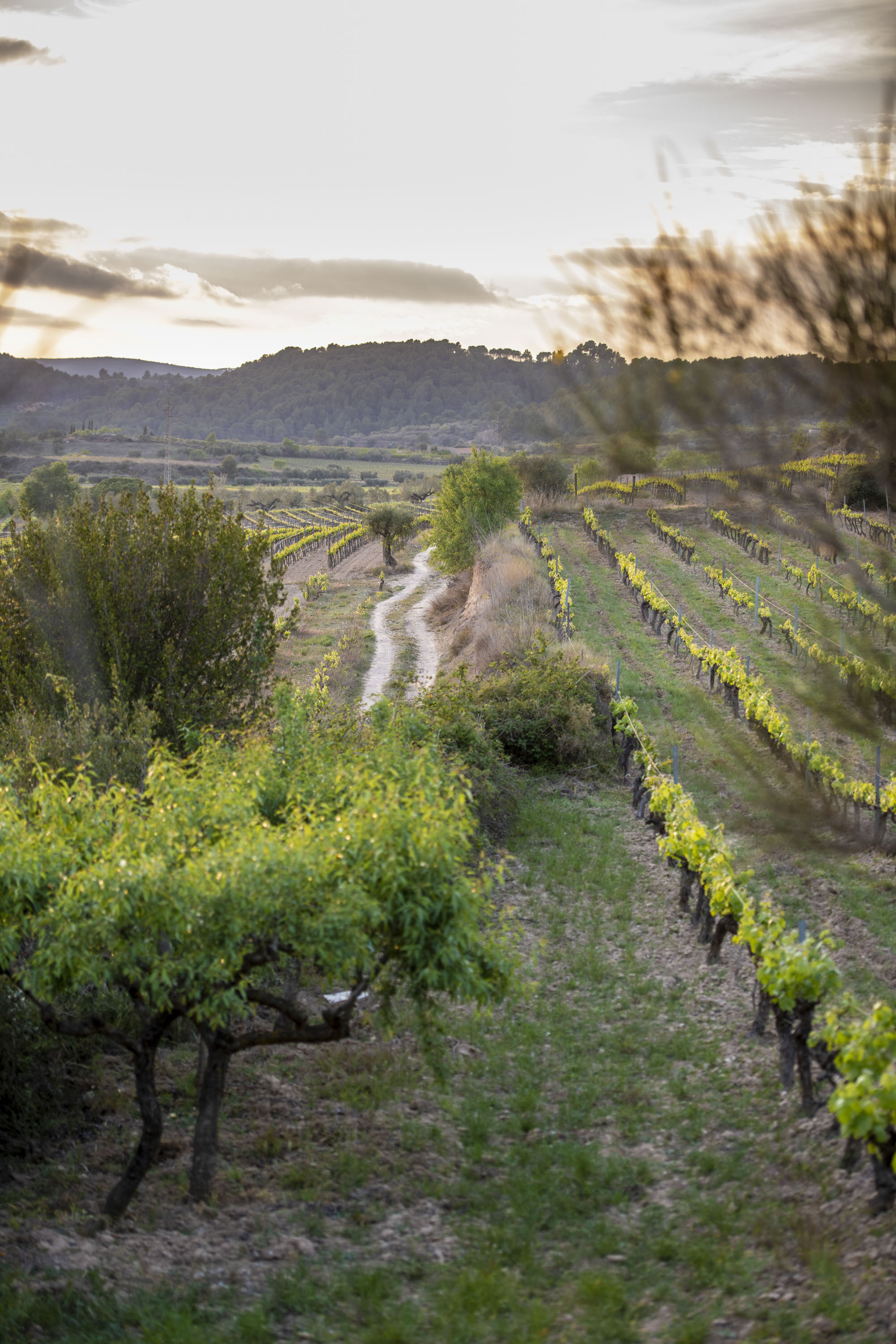
We are winegrowers to the core. We only produce what we have personally cultivated in the vineyard. We project the wine from the land itself and only feel like producers when the harvest begins. We practice careful, sensitive, and empathetic viticulture.
Since the first vines we planted on the estate, for over three decades we have conceived wine with a sense of place.
Can Comas Estate is our vital context.
CELLARING
OLD VINTAGES
From the very beginning—and this is not very common, truth be told—we have kept our vintages in the cellar. Primarily to have a memory, to learn from our work. Time and memory are relative and subjective terms, as we know, and wine with its corresponding vintages is a precise notary of our trajectory, of the weather we had, of who we were then and who we are now. Wine has also been kept out of conviction, as a desire in the first instance that we were doing good work and that the wines would age in personality and complexity. A way of asserting ourselves and, definitely, a necessary valuation of the region. We have always liked aged wines, where varieties are no longer the focus. We breathe them in and taste them. And we no longer say Xarel·lo or Sumoll. We say Penedès, this piece of our land that we love so much and the only possible place to cultivate the earth and make our wine.
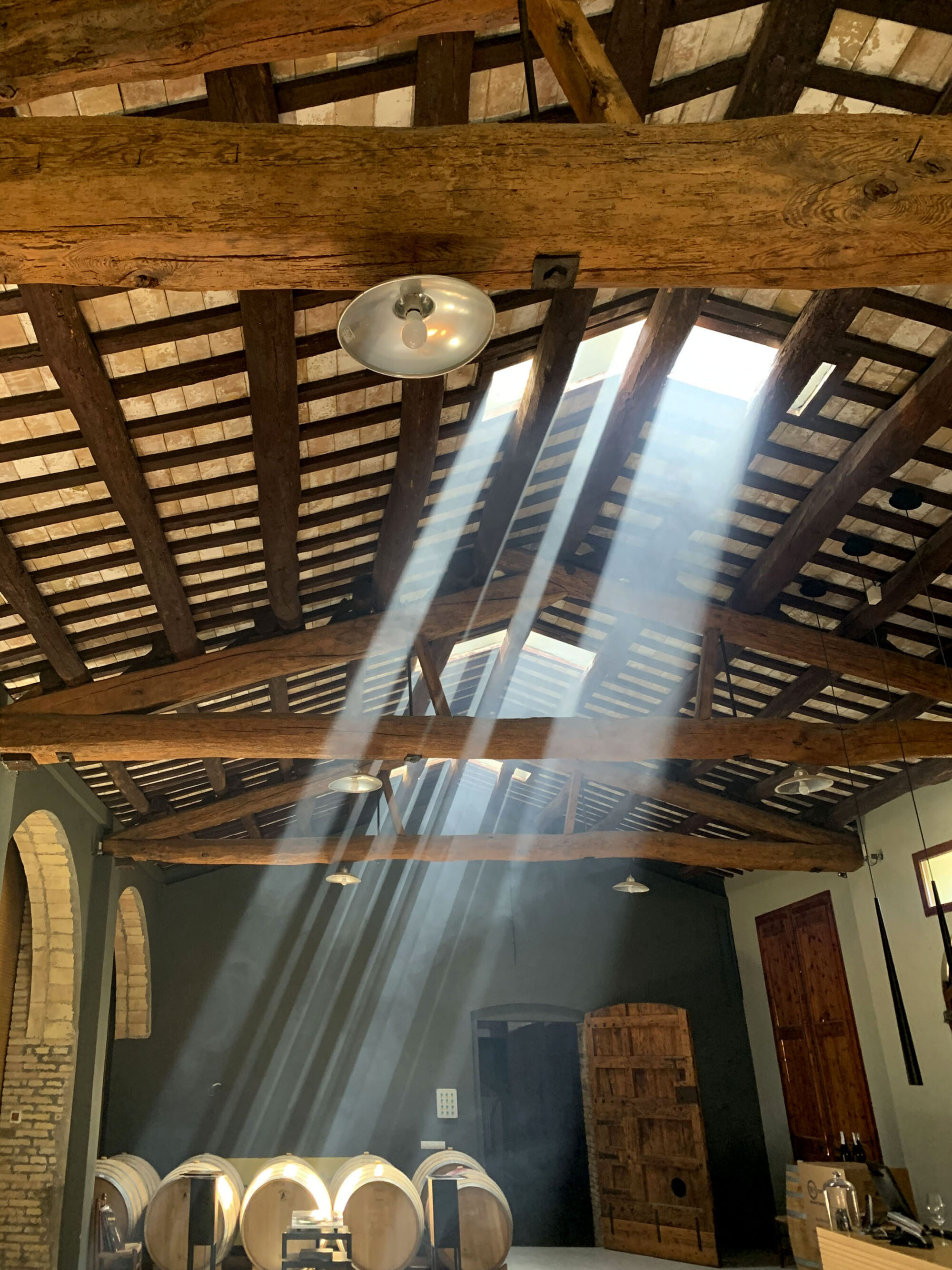
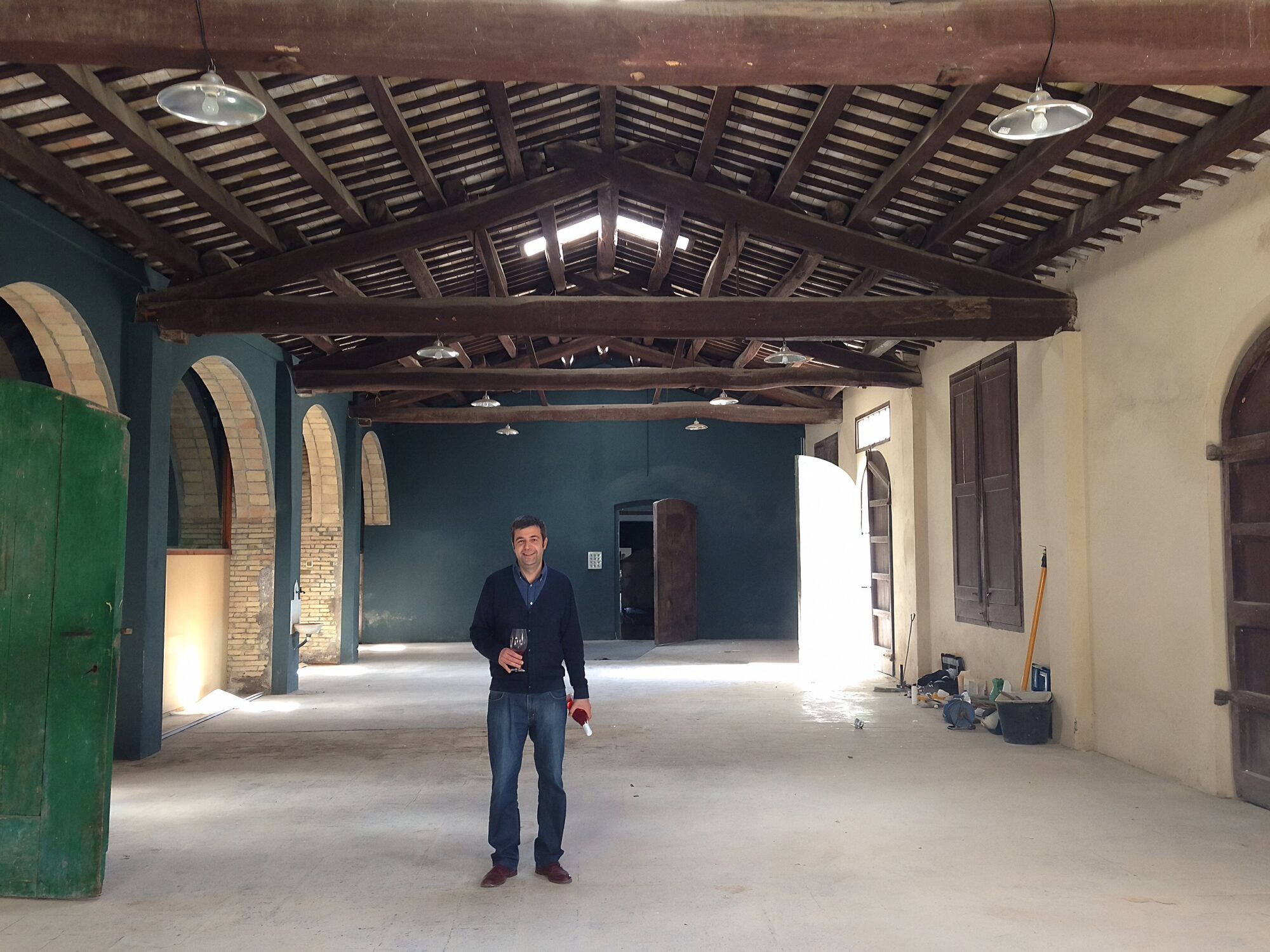
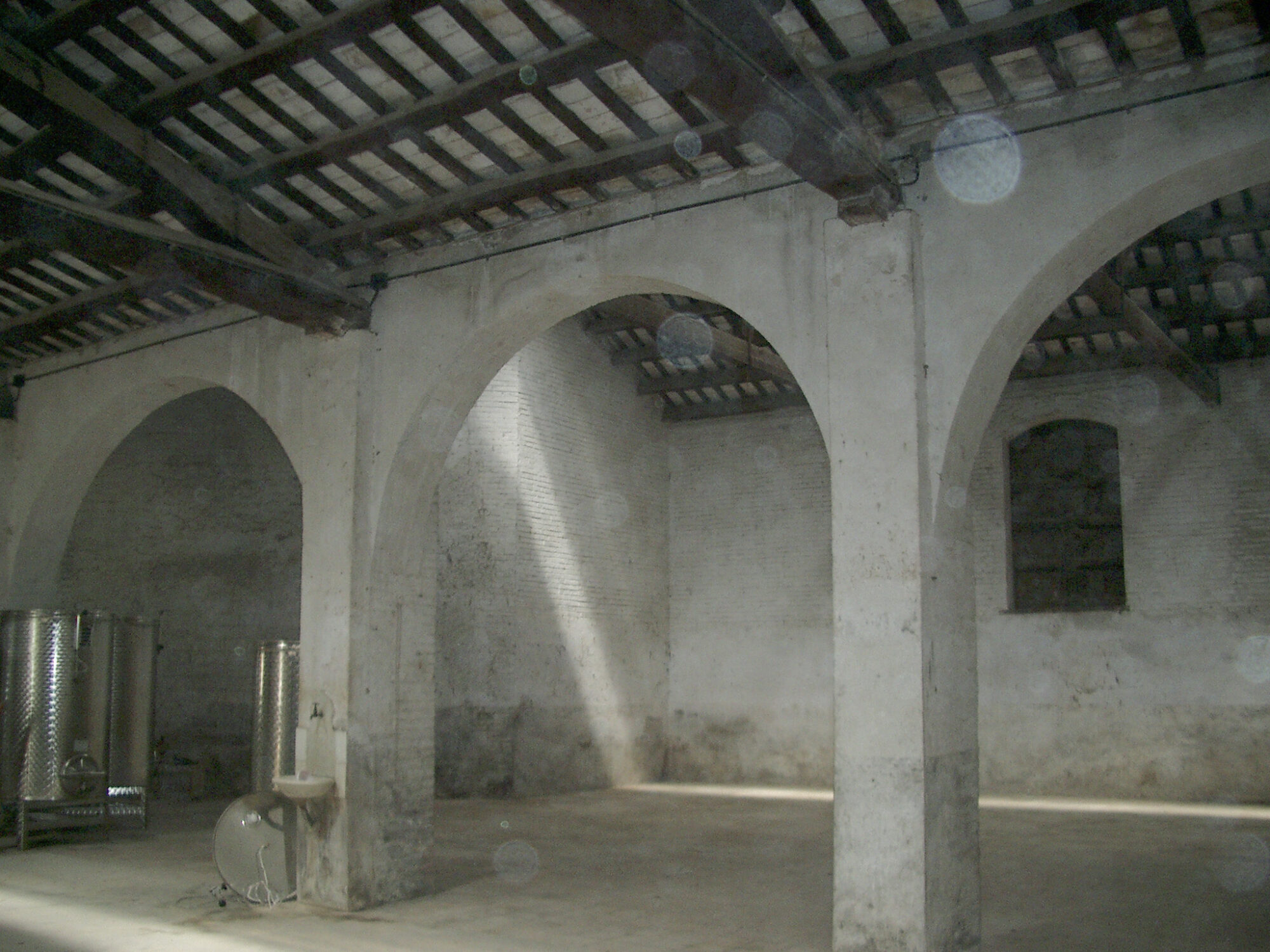
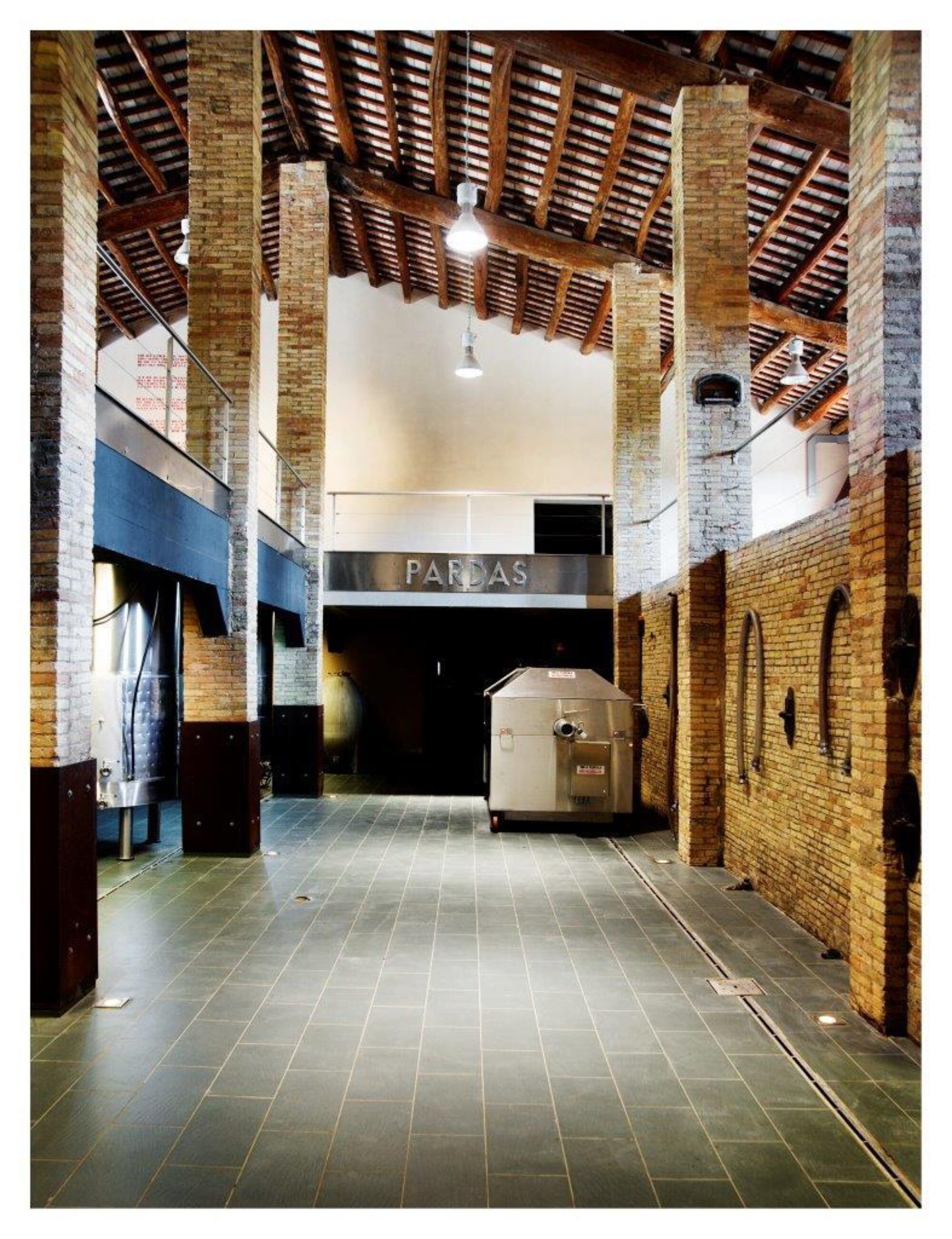
Even today, the impact of entering this space dedicated to wine for the first time lives on in our memory.
The master builders of the mid-19th century had a very airy and monumental concept of space.
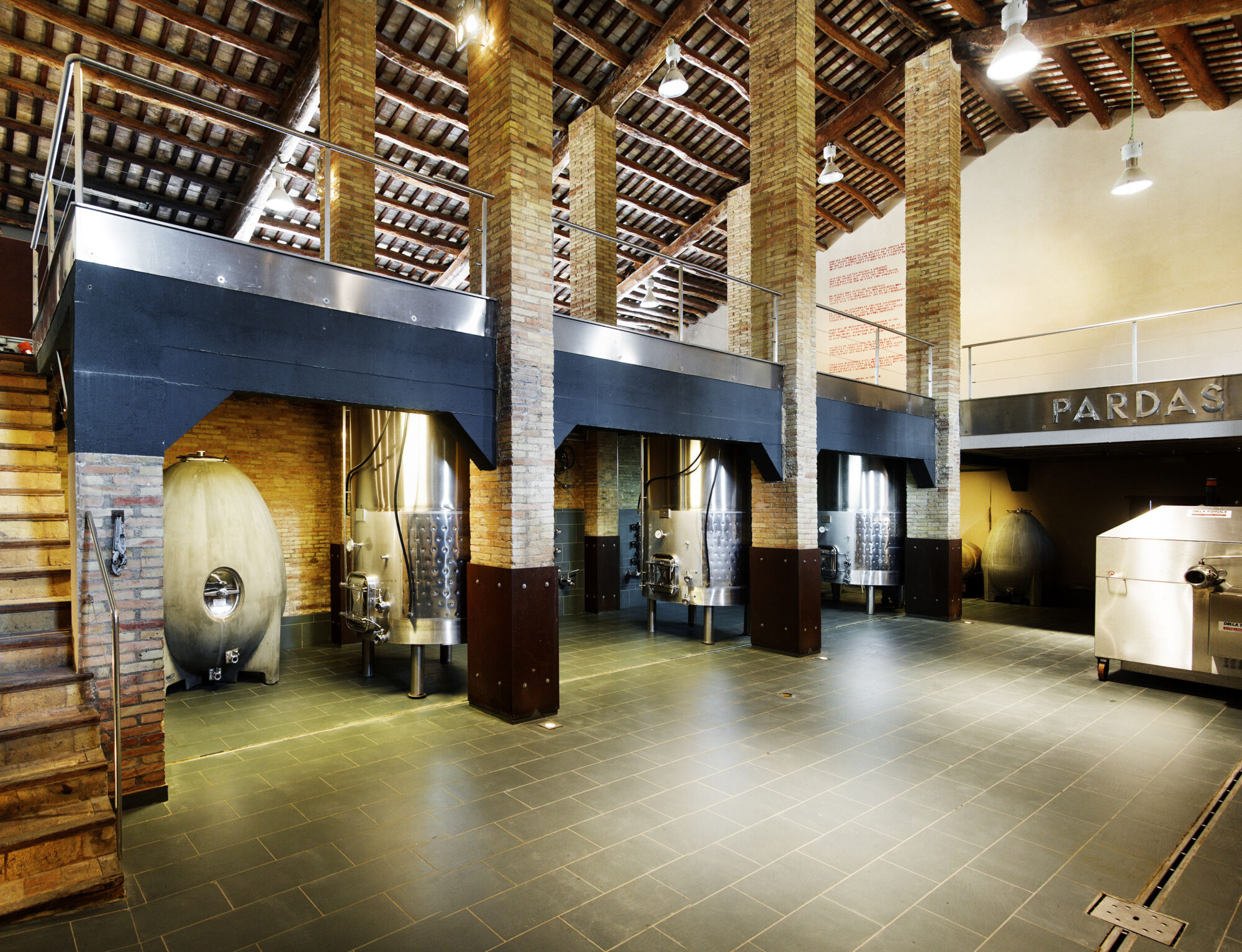
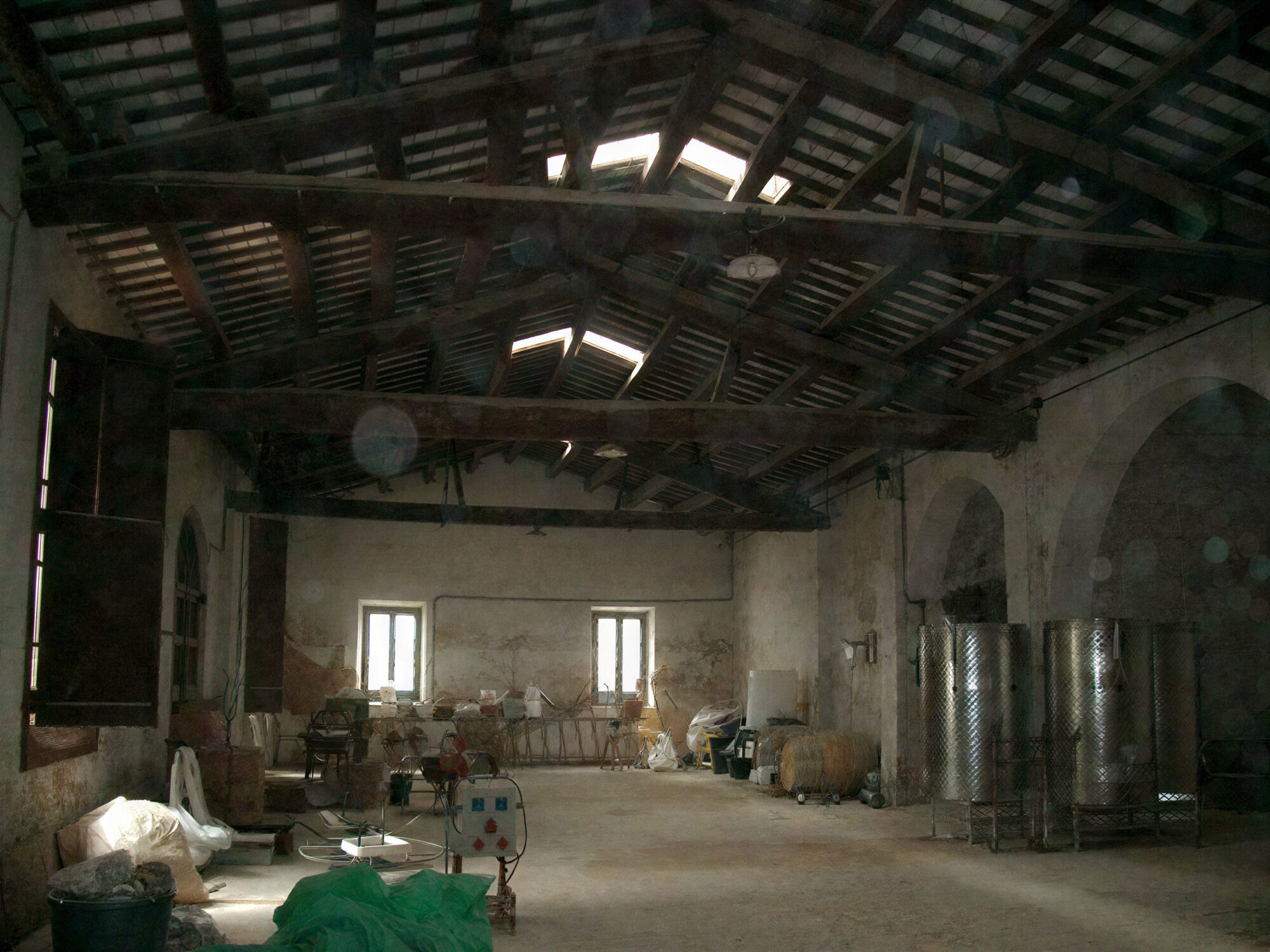
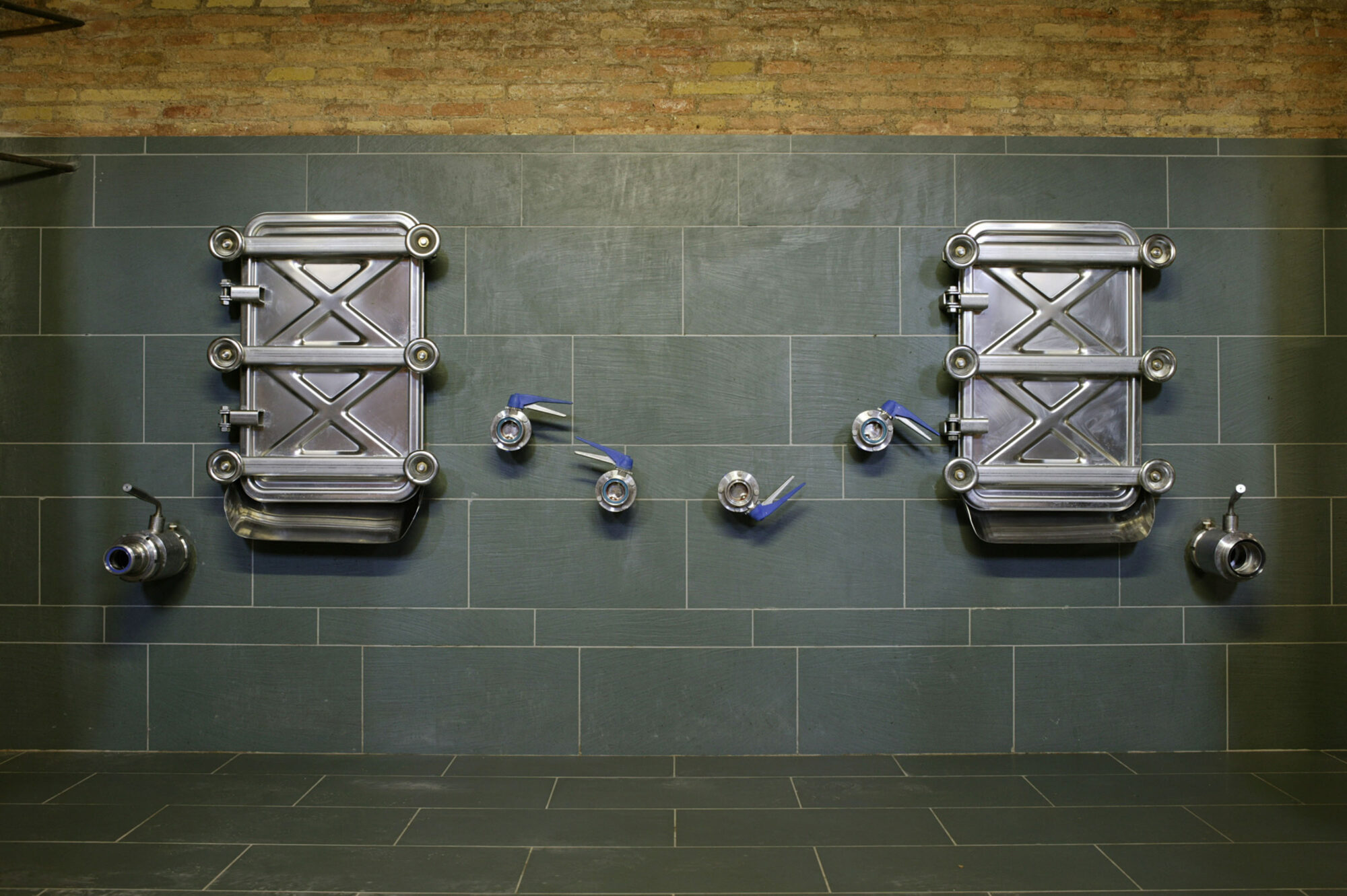
The restoration consisted of making heritage coexist with our work: a space where the old and the new live together in a friendly way.
With very few structural elements and almost never with a decorative sense, they achieved a completely harmonious space.
It's rarely discussed, but the location greatly defines the style of the wines.
This winery acts in a powerful way in our relationship with the grapes and the wine.
It requires an essential physical and close contact to decipher the vintage, grow alongside it, and conscientiously make the best decisions.
For us, it is a privilege to work in this incomparable setting that we enjoy every day.
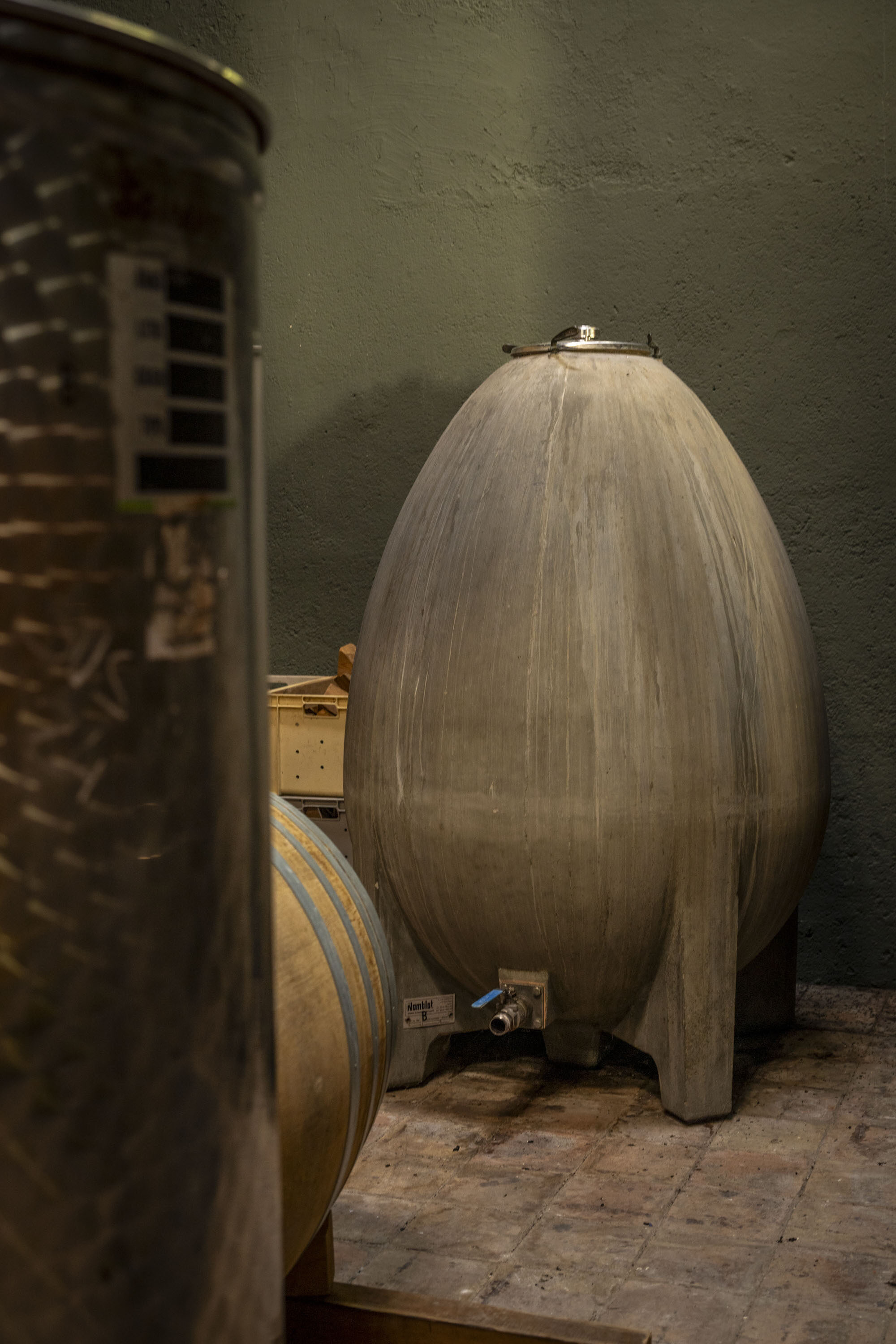
We work with cement eggs, oak foudres, and ancient vats.